
Deep Tissue Massage
Price
60-90 min – 720-990 AED


Elizabeth White
Style Master in Dubai, LIDC

Alenxandra Volkanovsky
Style Master in Dubai, LIDC

Jane Doe
Massage Therapists in Dubai, LIDC

Jenny Wilson
Master Style in Dubai, LIDC
The Deep Tissue Massage is a full-body massage with intense pressure to release muscle knots. It is suitable for muscle tension, pain, and stiffness and promotes blood circulation.
How is Deep Tissue Massage Done
Our Massage therapists use a combination of some classic massage strokes during this massage. The movement is generally slower and the pressure is deeper and concentrated on areas of tension and pain in order to reach the sub-layer of the muscles and the fascia (the connective tissue surrounding muscles).
With chronic muscle tension or injury, there may be adhesions (bands of painful, rigid tissue) in muscles, tendons, and ligaments. Adhesions can disrupt circulation and cause pain, limited movement, and inflammation.
The massage works by physically breaking down these adhesions to relieve pain and restore normal movement. To do this, our massage therapist uses massage oil and applies direct deep pressure. The muscles must be relaxed in order for the therapist to reach the deeper musculature.
Pain during Deep Tissue Massage
At certain points during the massage, most people find there is usually some discomfort and pain. It is important to tell the massage therapist when things hurt and if any soreness or pain you experience is outside your comfort range. There is usually some stiffness or pain after a deep tissue massage, but it should subside within a few days.
The massage therapist may recommend applying ice to the area after the massage.
Deep Tissue Massage Benefits
The massage usually focuses on a specific problem, such as chronic muscle pain and injury rehabilitation, as well as the following conditions:
- Lower back pain
- Limited mobility
- Recovery from injuries (e.g. whiplash, falls, sports injury)
- Repetitive strain injuries, such as carpal tunnel syndrome
- Postural problems
- Muscle tension in the hamstrings, glutes, IT band, legs, quadriceps, rhomboids, upper back
- Osteoarthritis pain
- Sciatica
- Piriformis syndrome
- Tennis elbow
- Fibromyalgia
- Muscle tension or spasm
- Post-workout
Massage therapists may use fingertips, knuckles, hands, elbows, and forearms during the deep tissue massage. The pressure is generally stronger than a regular massage. The strokes may be slower. You may be asked to breathe deeply as the massage therapist works on certain tense areas.
Is Deep Tissue Massage Recommended for You?
Deep tissue massage is highly beneficial for many individuals; however, there are certain cases where it may not be recommended. People who have blood clots (e.g. thrombophlebitis, deep vein thrombosis), anybody who has undergone surgery recently, people undergoing chemotherapy, radiation, or any other medical procedure, and women with osteoporosis should avoid deep tissue massage.
Additionally, massage should not be done directly over bruises, inflamed or infected skin, skin rashes, unhealed or open wounds, tumors, abdominal hernia, fragile bones, or areas of recent fractures. Pregnant women should consult their doctor before considering a massage, as deep tissue massage or any strong pressure should be avoided during pregnancy.
Tips To Make Your Massage Sessions More Effective
- Don’t eat a heavy meal before the massage.
- If it’s your first time at OmniaSpa, arrive at least 10 minutes early so you can have a few minutes to rest and relax before starting the massage.
- Stretching can help to prevent muscle aches and pain after a deep tissue massage.
- A deep tissue massage may result in muscle soreness or tenderness, which may last a day or two. Your massage therapist may recommend icing any painful areas.
- Drinking water after the massage may help to flush out toxins that are released from muscles and properly rehydrate the muscles, which can help to reduce muscle aches and stiffness after a massage.
- Avoid strenuous activity after a massage.
special
Relaxing Massage
60-90 min – 720-990 AED

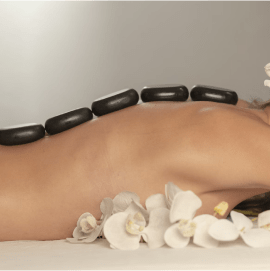
Hot Stone Massage
60-90 min – 720-990 AED
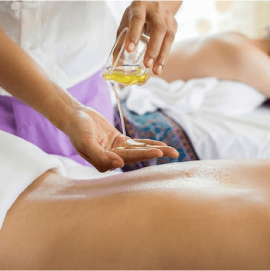
Couple Massage
60-90 min – 720-990 AED
Lava Shell Relax Massage
60-90 min – 720-990 AED
special
Aromatherapy Massage
60-90 мин – 720-990 AED
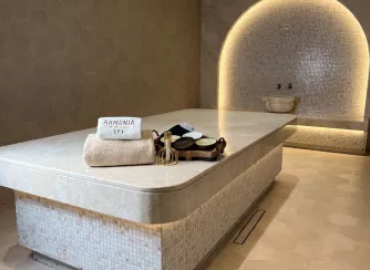
Couple massage + Aromatherapy Massage
1 hr 15 min – 965 AED
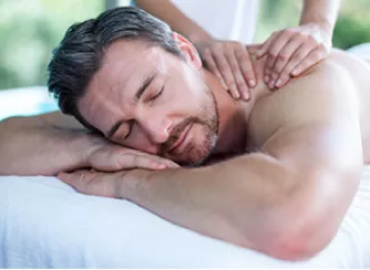
Bath + Full Body Massage
 1 hr 45 min — 755 AED
2 hrs — 860 AED
Moroccan Bath + Full Body Massage
2 hrs – 860 AED
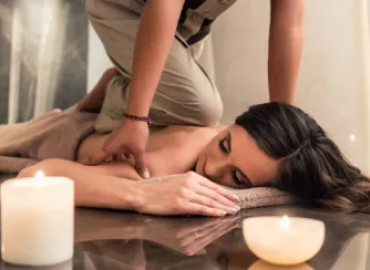
special package
Moroccan Bath + Aromatherapy Massage
1 hr 15 min – 965 AED

Full Body Massage
60-90 min – 720-990 AED
Other services